
How to Find Recently Released Leon County Inmates
Leon County does not run a separate "recently released" page. There is no dedicated list of people who walked out of the jail this week. Instead, release shows up inside the regular Leon County Sheriff's Office inmate search. When you pull a person's record, the result table carries a couple of fields that tell the story. The same tool that shows current jail bookings also shows recent release status, so one search covers both.
The fastest path is to search by name on the sheriff's roster, then read the status fields on the result. If the person was just released, the roster may still list them for a short time with a release date attached. Older records can drop off the public view. When the roster is unclear, the next step is a phone call to the jail, which keeps live custody data that the public site may not reflect yet.
For a full walkthrough of the sheriff's roster and the fields it returns, the Leon County inmate records page covers the search tool in detail. That tool is the front door for both current inmates and people who were let go in the recent past.
Last Release Date and "In Jail?" Fields
Two fields on the sheriff's inmate result do most of the work here. The "In Jail?" field tells you whether the person is in custody right now. The "Last Release Date" field shows the most recent date the jail released the person, when that data is present. Read together, they give a quick read on whether someone is in or out.
There is a catch, and it trips up a lot of people. Current inmates often show a placeholder release date of 01/01/0001. That is not a real release date. It is a default value the system uses when no release has happened yet. So if you see 01/01/0001 next to a person who shows as in custody, do not read it as proof of release. It means the field has not been set. A genuine release will show an actual calendar date.
- In Jail?
- Shows current custody status. A "Yes" means the person is in the detention facility now.
- Last Release Date
- The most recent date the jail released the person. A real date means a real release.
- 01/01/0001
- A placeholder, not a release date. It appears when no release has been recorded for that booking.
The sheriff's data reflects bookings and current custody, not final case outcomes. A release from jail does not always mean a case is over. Someone can post bond and go home while the charges stay open. To see bond orders, release conditions, or a sentence, you check the criminal case docket through the clerk. Pair the jail status with the court file for the full picture.
Note: A missing or placeholder release date does not confirm a release, so call the jail when the public fields look unclear or the release was very recent.
Calling the Detention Center
When the online fields are not enough, the phone is your best tool. The Leon County Detention Center handles release and bond questions at 850-606-3500. Staff there work from live records, so they can confirm a release that the public roster has not caught up to. The sheriff's own disclaimer points users to this number for inmate release and bond information, which tells you the website is a starting point and the phone line is the confirmation step.
For bond-related release, there is a separate line. The Releasing Office can be reached at 850-606-3526 for paying someone's bond. Credit-card bond posting is allowed if you bring the card and a valid ID to the releasing area. Lists of bondsmen are available in the releasing lobby and from outside sources. The jail will not hand out warrant or bond details on a person who is not yet in custody.
Leon County Detention Center
535 Appleyard Drive
Tallahassee, FL 32304
Release/Bond Info: 850-606-3500
Releasing Office: 850-606-3526
Have the full name and date of birth ready when you call. A booking number helps even more. If you are posting bond, ask about accepted payment and what ID the releasing area needs before you drive over.
Bond Release Steps
Many people leave the Leon County jail on bond, not at the end of a sentence. The process moves through the releasing area, and it helps to know the order before you go. The steps below outline how a bond release usually runs.
- Confirm the person is in custody and find the bond amount through the sheriff's roster or by calling the jail.
- Call the Releasing Office at 850-606-3526 with the name and booking details to confirm the bond and what they accept.
- Go to the releasing area with a valid photo ID and the payment method, which can include a credit card.
- Pay the bond directly or arrange a bail bondsman from the lists kept in the releasing lobby.
- Wait for processing; release timing depends on the jail's workload and the booking queue.
- Check the criminal case docket through the clerk for release conditions, no-contact orders, and the next court date.
Release on bond does not close the case. The defendant still has court dates and conditions to follow. A missed date can trigger a bench warrant, so the released person should track every hearing. The Leon County warrant records page explains how warrants work and what happens after a missed appearance.
Searching State Released Inmates (Florida DOC)
People who served prison time, not jail time, are tracked by the state, not the county. The Florida Department of Corrections runs an offender search that covers active inmates, released offenders, and people under supervision. If a Leon County case ended in a state prison sentence, this is where the release record lives. The state tool reaches across all Florida facilities, so it works no matter where the person was held.
You can search the Florida DOC Offender Search at pubapps.fdc.myflorida.com to look up state inmates and released offenders by name or DC number. The DC number is the cleanest way to match a record, because names repeat. The table below lists the fields on the Florida DOC search.
| Field Label | Type | Required | Notes / Format |
|---|---|---|---|
| Search All Corrections Databases | Menu / button | Optional | Covers active inmates, released offenders, supervision, and absconders where available. |
| DC Number | Text | Optional | Best unique match; a six-character FDC identifier. |
| Last Name | Text | Optional | Name search; partial names may work. |
| First Name | Text | Optional | Narrows the result. |
| Race | Dropdown | Optional | Confirm options in the live portal. |
| Sex | Dropdown | Optional | Male or female options. |
The Florida Department of Corrections Offender Search opens to a menu of corrections databases, including active inmates and released offenders, as shown below.
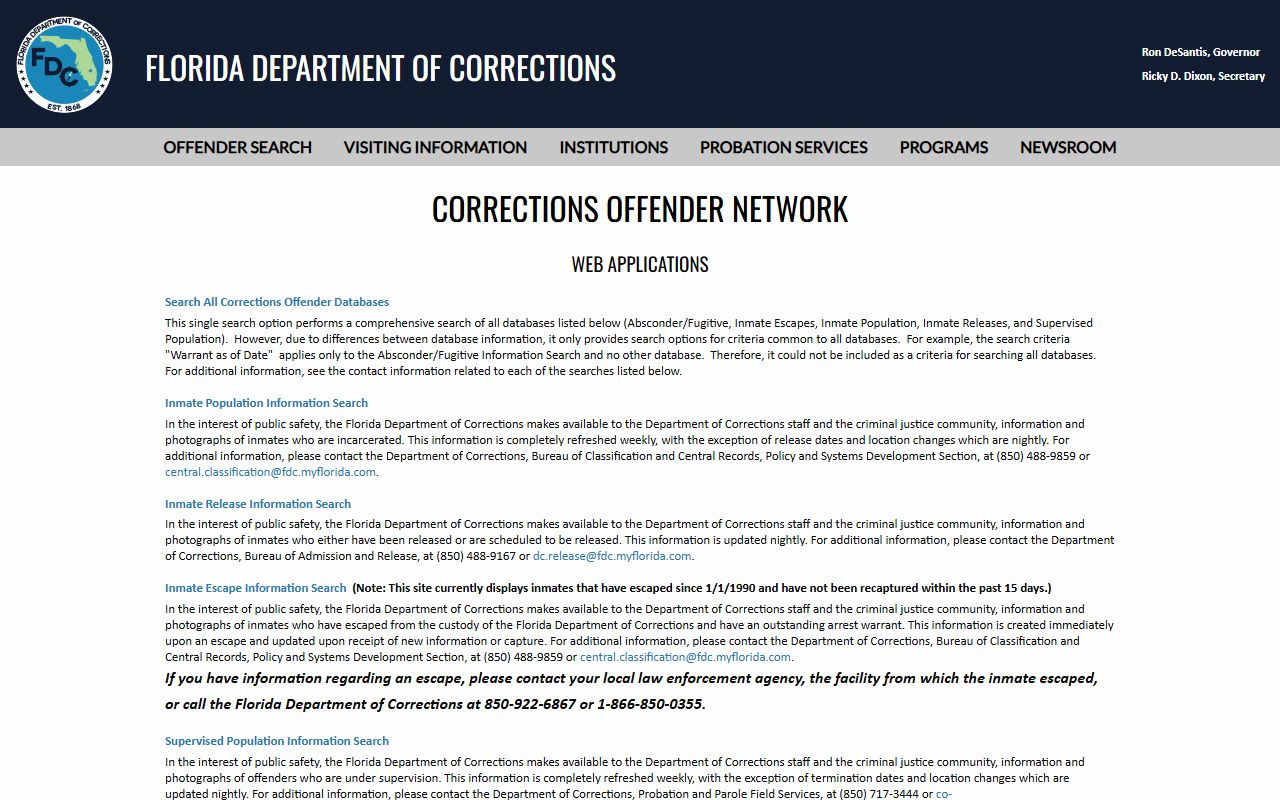
A state record returns more than a release date. You may see a photo, race, sex, date of birth, current facility or release status, the offense and county, the case number, the sentence date, and the expiration date. Supervision and detainer data can appear when it applies.
Searching Federal Released Inmates (BOP)
Federal cases do not show up in county or state tools. If a person was convicted in federal court, the Federal Bureau of Prisons holds the custody and release data. The BOP Inmate Locator covers people held in federal prisons and reaches back through decades of records, including many who have already been released. For a Leon County resident with a federal case, this is the right database.
The BOP Inmate Locator is free to use and supports name or register-number searches. You can reach it at bop.gov/inmateloc. The fields are listed below.
| Field Label | Type | Required | Notes / Format |
|---|---|---|---|
| Register Number | Text | Optional | Search by BOP, DCDC, FBI, or INS number depending on the tab. |
| First Name | Text | Optional | Used with the last name for a name search. |
| Middle Name | Text | Optional | Narrows the result. |
| Last Name | Text | Optional | Used with the first name for a name search. |
| Race | Dropdown | Optional | Optional demographic filter. |
| Age | Number | Optional | Optional demographic filter. |
| Sex | Dropdown | Optional | Optional demographic filter. |
The federal Bureau of Prisons locator lets you search by register number or by name across federal facilities, as the search form shows.
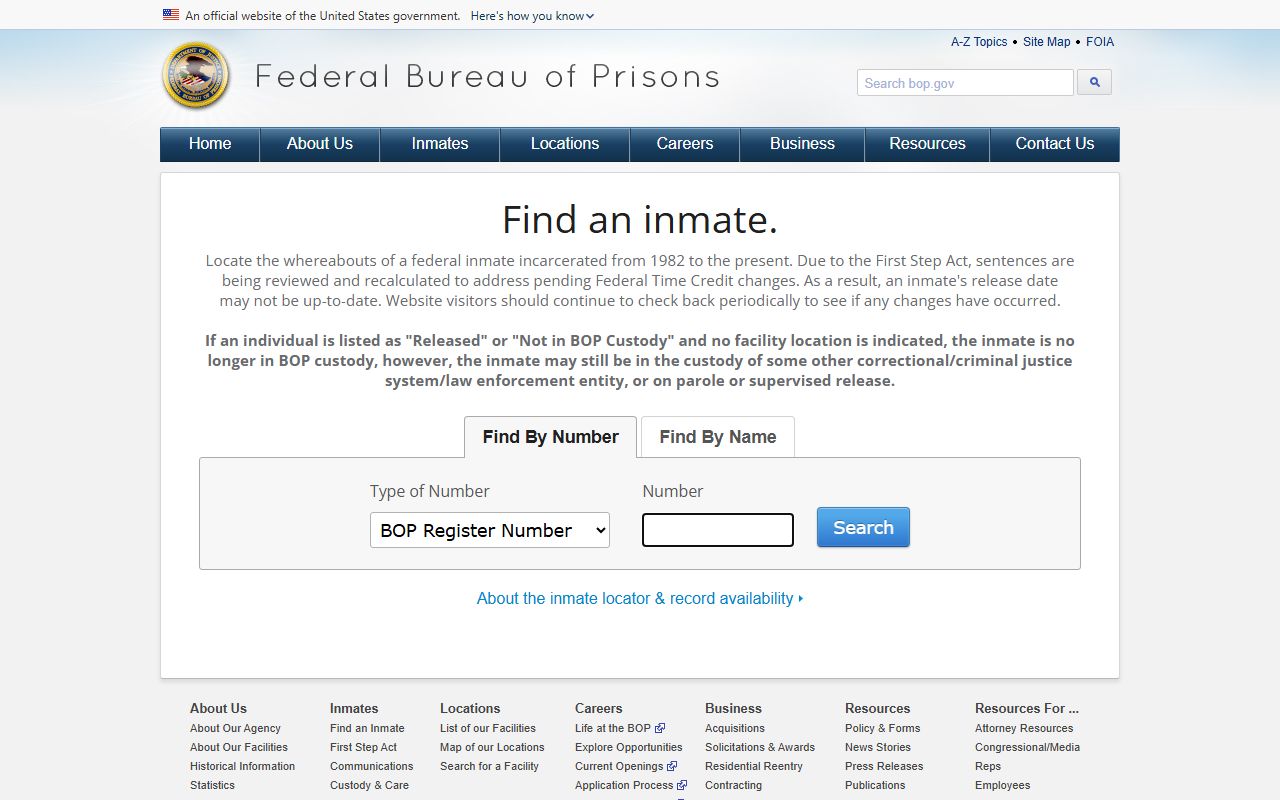
A federal result shows the register number, name, age, race, sex, and a release status. For people already out, the locator notes the release date. The federal system and the state system do not share a search box, so you check each one on its own.
Setting Up Release Notifications (VINELink)
Instead of checking the roster every day, you can set an alert. VINELink is the public side of the VINE victim notification network. It lets anyone register to get a call, text, or email when a person's custody status changes, including release. Victims, witnesses, and worried family members use it the most. The service is free and works for many Florida jails and the state prison system.
To use VINELink for a Leon County inmate, you start at the VINELink site and select Florida, then search and register. The basic steps follow.
- Go to vinelink.com and select Florida from the state map or dropdown.
- Search for the person by name or offender ID, and pick the right facility or agency if asked.
- Register for alerts by phone, text, or email, and set a PIN or password to manage the notification.
VINELink alerts cover custody-status changes, which can include release, transfer, or escape, depending on the agency. The notification methods need your contact details, so keep your phone and email current. A custody alert is a backstop, not a guarantee, so victims with safety concerns should still keep a safety plan in place.
The VINELink portal asks you to choose a state before you search, which routes Leon County requests to the right Florida agencies.
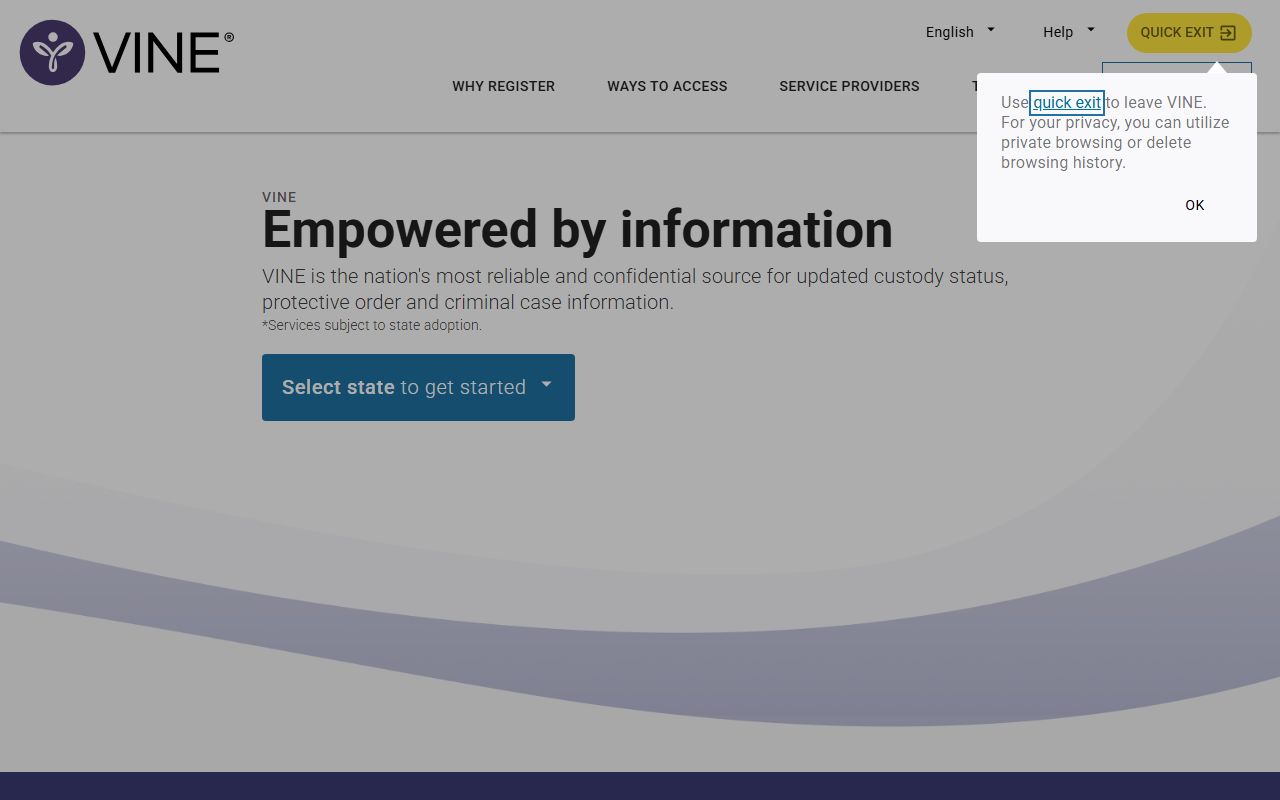
Once registered, you do not have to keep checking by hand. The system reaches out to you when the status changes.
The Sex Offender Registry (FDLE)
Florida keeps a public registry of sexual offenders and predators. The Florida Department of Law Enforcement runs it, and it covers people across the state, including those living in Leon County after release. The registry is a safety and awareness tool. It is separate from the jail roster and the corrections search, and it stays current as registrants update their information.
You can search the FDLE Sexual Offender and Predator system at offender.fdle.state.fl.us by name or by location. A geographic search shows who is registered near an address, ZIP, or county. The fields are listed below.
| Field Label | Type | Required | Notes / Format |
|---|---|---|---|
| Search | Text / global | Optional | Main public search box on the FDLE page. |
| Name | Text | Optional | Search by offender or predator name. |
| Address / City / County / ZIP | Text / dropdown | Optional | Supports geographic and community searches. |
| Offender / Predator filters | Checkbox / dropdown | Optional | Confirm options in the live browser. |
The FDLE registry page offers name and community searches and labels each person as a sexual offender or a sexual predator.
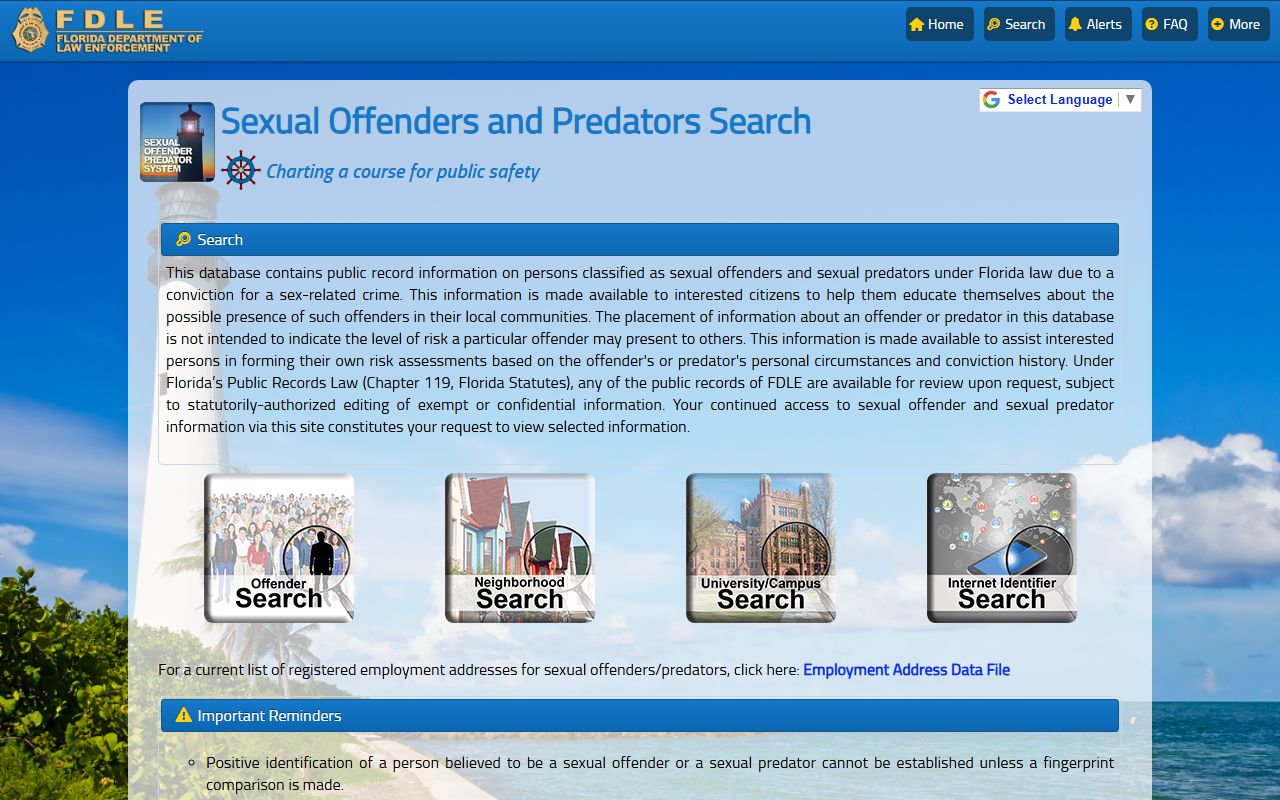
A registry profile can show a photo, name and aliases, the offender or predator status, the address or transient information, a physical description, and offense details. One important point sits on the registry itself. A listing does not indicate a current risk level, and it may not reflect a complete criminal history. The registry tells you a person is required to register; it does not rank danger.
Reentry Resources in Leon County
Coming out of jail or prison is hard, and a few local groups try to ease the move. The Leon County Sheriff's Office lists Reentry Services on its site, and the detention facility sponsors quarterly reentry seminars to connect people with help before and after release. These programs aim at the basics, which are housing, work, and treatment. The goal is fewer repeat bookings and a smoother return to daily life.
Several local supports are worth knowing. Service details change, so confirm current hours and eligibility before you rely on any single program.
- LCSO Reentry Services and the detention facility's quarterly reentry seminars.
- LCSO Pathways Programs and related reentry efforts run through the sheriff's office.
- CareerSource Capital Region for job search, training, and placement help.
- Legal Services of North Florida for free or low-cost civil legal aid.
- 2-1-1 Big Bend, a free phone and online line that points people to housing, food, and treatment.
A returning resident often needs several of these at once. A job lead from CareerSource means little without stable housing, and 2-1-1 Big Bend can help line up that side. Start with one contact, explain the situation plainly, and let the staff route you. Many of these groups know each other and refer back and forth.
Voting and Rights Restoration
A felony conviction in Florida affects voting rights, and the rules are not simple. Restoration depends on completing the sentence, which includes any prison or jail term, plus probation or parole. It also depends on satisfying the financial obligations tied to the sentence, such as fines, fees, costs, and restitution ordered by the court. Until those terms are met, voting rights may not be restored.
Because each case is different, a returning resident should check the specifics before registering. The Florida Division of Elections is the state authority on voter eligibility and restoration. For the financial side, the Leon County Clerk holds the case records that show what fines, fees, and restitution were ordered and what remains owed. Pull the criminal case docket through the clerk to see the financial obligations on a specific case.
Murder and felony sexual offenses are handled differently and may require a separate clemency process. Beyond voting, a felony can touch firearm rights and some job options, and those follow their own rules. When in doubt, confirm eligibility with the Division of Elections before you act, and check the court file for the dollar figures that still apply.